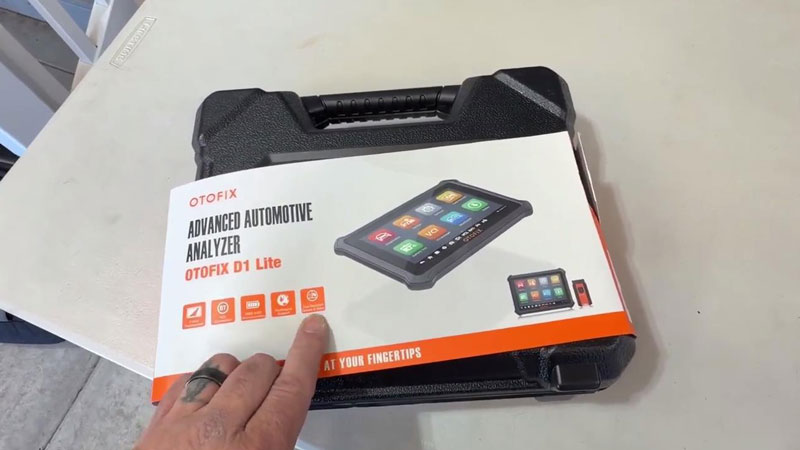
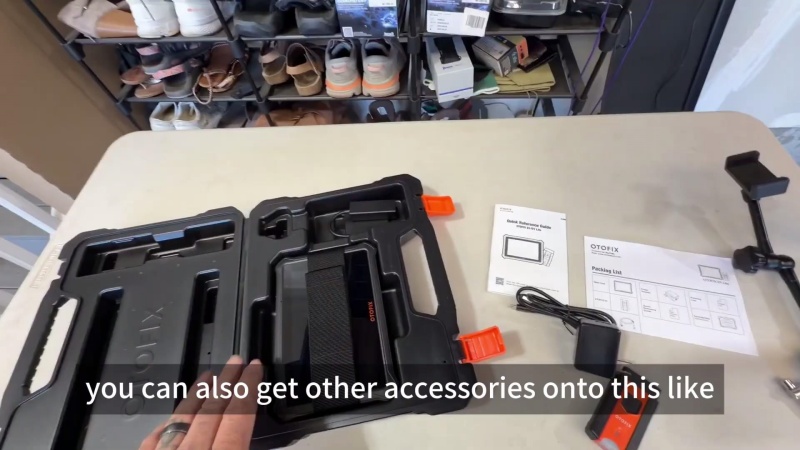
The OTOFIX D1 Lite is a mid-range diagnostic tablet built on Autel Diagnostic System architecture, aimed at technicians who need real bi-directional control and full-system diagnostics without paying flagship scanner prices.
In real workshop conditions, it performs like a “serious tool cut down slightly for cost efficiency” — strong in diagnostics and actuation tests, but limited on the newest 2025+ CANFD platforms.
What Techs Actually Say
If you strip away specs and marketing, most technicians would describe it like this:
“It’s basically a decent Autel-style scanner with some corners cut, but still very usable in a real shop.”
“Good enough to diagnose real problems, not just read codes and guess.”
But also:
“Don’t expect it to keep up with brand-new vehicles. That’s where it starts to show limits.”
So the sentiment is mixed, but practical:
Useful tool, not a perfect one.
Where It Feels Strong in Real Use
1. Full-system scan actually feels “shop-grade”
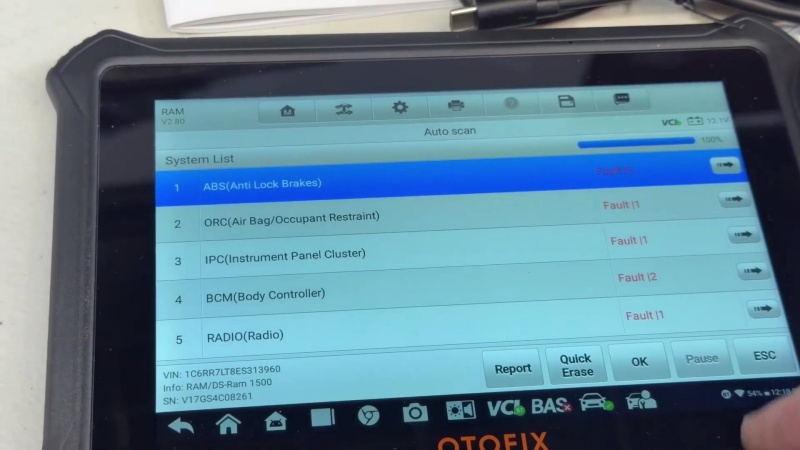
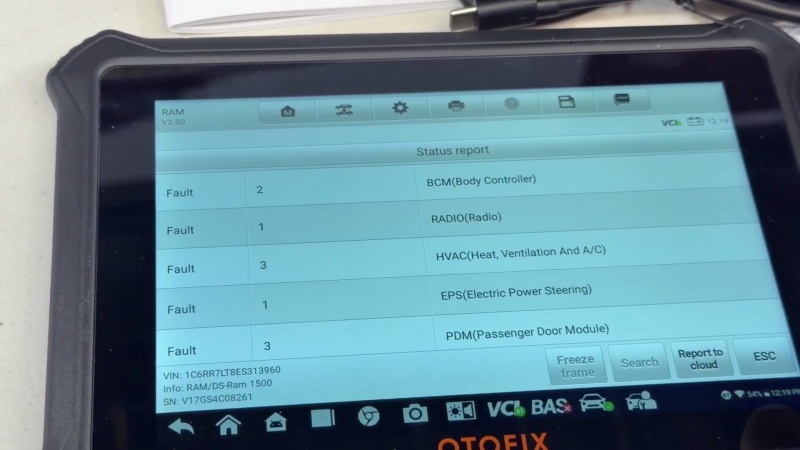
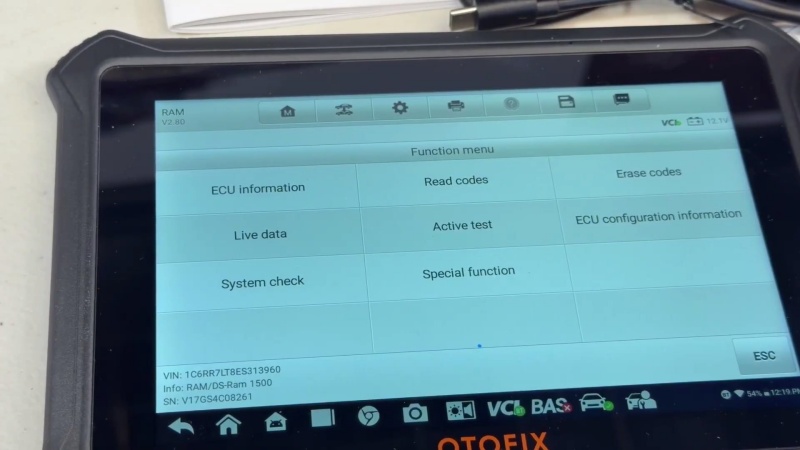
For instance, on a 2014 RAM 1500, it pulled system data instantly without needing a paid Mopar Security Gateway license.
In real diagnostics:
- VIN pull is quick and stable
- Module mapping is consistent
- Fault lists are structured enough to work from directly
Compared to cheap scanners: This feels like stepping into a real workshop toolset.
2. Active tests are the reason people keep it
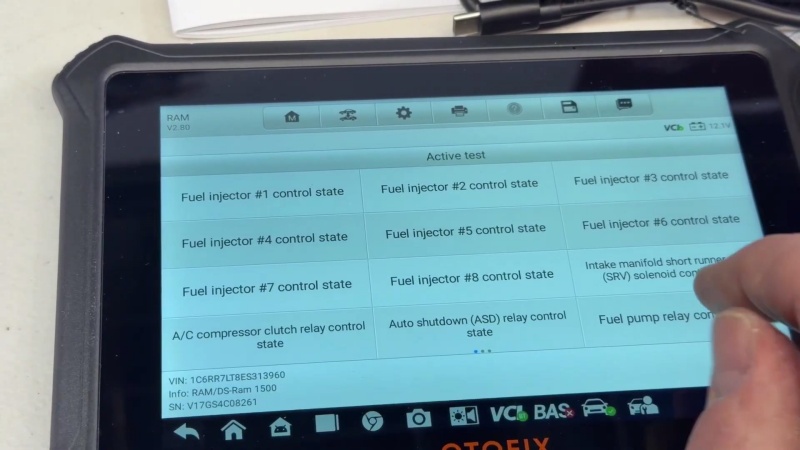
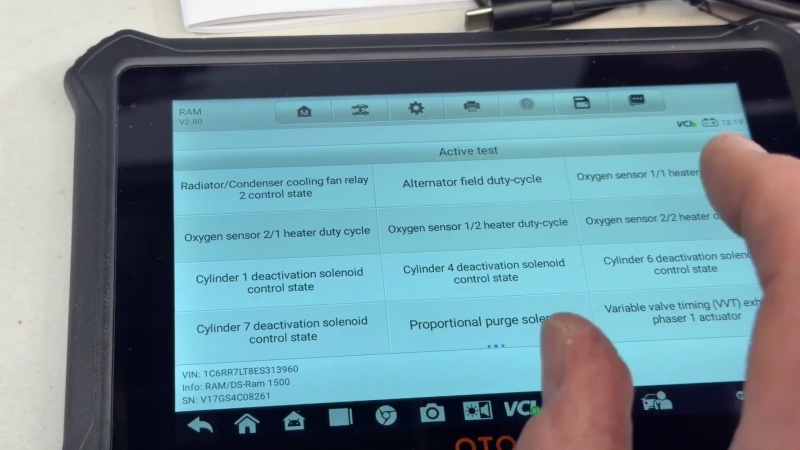
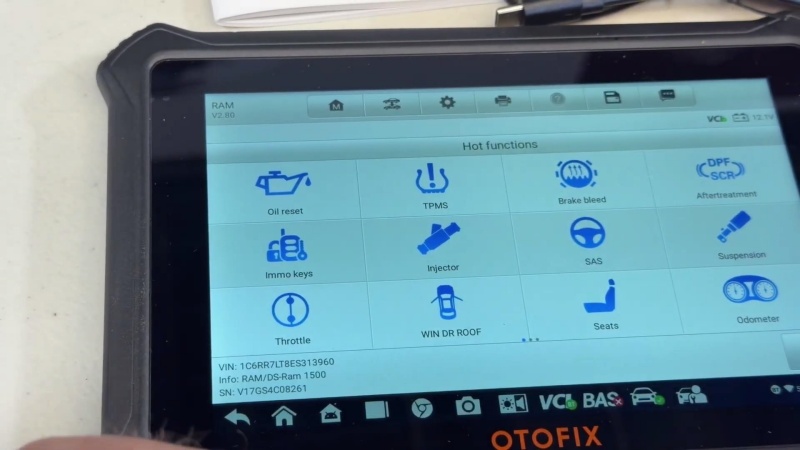
It perfectly handles specific high-failure issues, like cycling the proportional purge solenoid or forcing ABS brake bleeds.
This is where most users agree it earns its price. You can actually:
- Trigger fans, pumps, injectors
- Test EVAP system behavior live
- Force actuator responses without guessing
Technician takeaway: It reduces “parts swapping guessing games”
3. New car coverage is where complaints start
This is a recurring theme in real-world feedback:
- 2025+ vehicles = limited live data
- CANFD architecture = reduced access
- Some functions simply don’t go as deep
But important context: This is not unique to this tool — it’s industry-wide right now.
4. Learning curve is “moderate shop level”
Most techs say:
- Not hard
- Not beginner-friendly either
- You need basic understanding of systems
Translation: If you know how cars work, you’re fine. If not, you’ll underuse it.
Real Value (What it actually replaces in a shop)
This is the part most reviews miss.
What it replaces:
- Basic code readers
- Entry-level scanners
- Some OEM-level basic service tools
What it does NOT replace:
- High-end dealer-level diagnostics
- Full future-proof CANFD coverage
- Brand-specific deep programming systems
Honest summary: It fills the “serious independent workshop” gap, not the top-tier OEM gap.
Technician Verdict (No marketing filter)
From a real-use perspective:
The OTOFIX D1 Lite is:
“One of those tools you don’t think about much — it just gets used when needed and does the job.”
Worth it if:
- You run diagnostics regularly
- You rely on bi-directional testing
- You want Autel-level workflow without flagship pricing
Not worth it if:
- You only scan codes occasionally
- You expect full support for newest platforms
- You want zero learning curve tools
Bottom Line
The OTOFIX D1 Lite sits in a practical middle zone: strong enough for real diagnostic work, especially active testing and system-level fault tracing, but clearly not designed to be future-proof or dealership-level complete.
In Reddit terms: “Solid workshop tool, not a bragging rights scanner.”
Contact Info:
Email: sales@AutelShop.de
Wechat: +86-13429866263
Whatsapp: +86-13429866263
Website: www.autelshop.de